
Tools for every student to help in studies
Creating the right study environment isn’t just about discipline—it’s also about using the right tools in a thoughtful and intentional way. While routines and schedules are important, the tools a student uses daily can quietly shape their focus, motivation, and ability to retain information.
From simple stationery to smart productivity tools, the right combination can make studying more efficient and less stressful. When used correctly, these tools help students stay organised, reduce mental fatigue, and build stronger learning habits over time.
✏️ High-Quality Pens & Writing Tools



Writing is still one of the most essential parts of learning. Whether it’s solving Math problems, taking notes, or practising essays, students spend a significant amount of time writing every day. The quality of a pen may seem like a small detail, but over time it can affect comfort, speed, and even motivation.
Well-known options such as Muji Gel Ink Pen, Pilot G2 Pen, Zebra Sarasa Clip Pen, Uni-ball Signo UM-151, and Pentel EnerGel Pen are popular because they provide smooth ink flow and consistent writing. This reduces hand fatigue and allows students to maintain focus during longer sessions.
When writing feels effortless, students are more likely to take notes consistently and practise more. A simple habit like sticking to one main pen colour, while using a second colour sparingly for emphasis, can improve clarity without overwhelming the page.
📓 Notebooks & Smart Note-Taking Systems

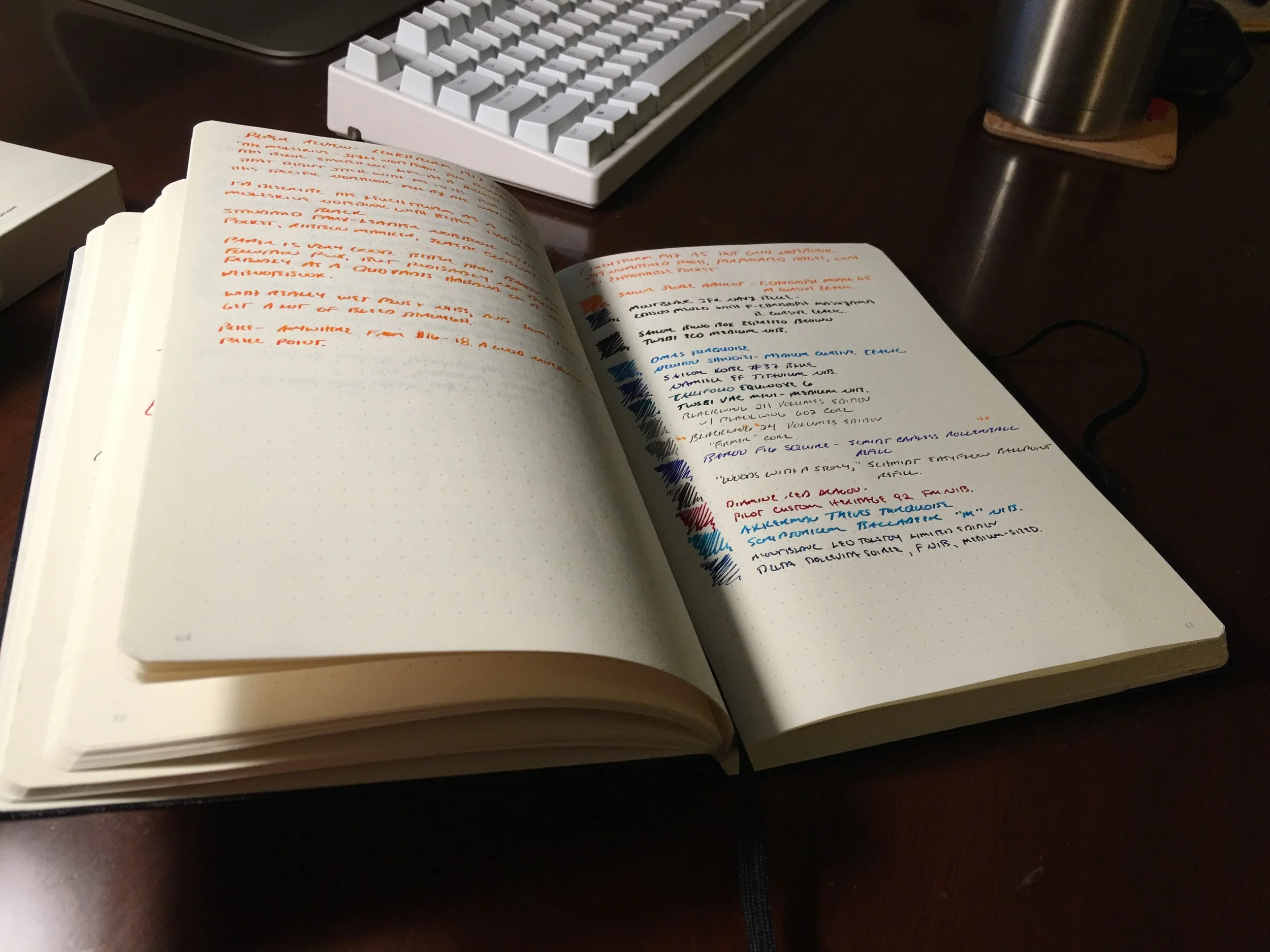
Effective note-taking is one of the most overlooked skills in learning. Many students write notes, but not all notes are useful. The goal is not to copy information, but to organise and simplify it so that revision becomes faster and more effective.
Notebooks such as the Kokuyo Campus Notebook, Muji Notebook, Leuchtturm1917 Notebook, and binder-style notebooks are commonly used because they offer flexibility and structure. A clean layout encourages better organisation and makes it easier to revisit key concepts.
Structured methods like the Cornell system or mind mapping can significantly improve retention. When students regularly review and summarise their notes, they move from passive copying to active learning, which is far more effective in the long run.
🎨 Highlighters, Sticky Notes & Visual Tools
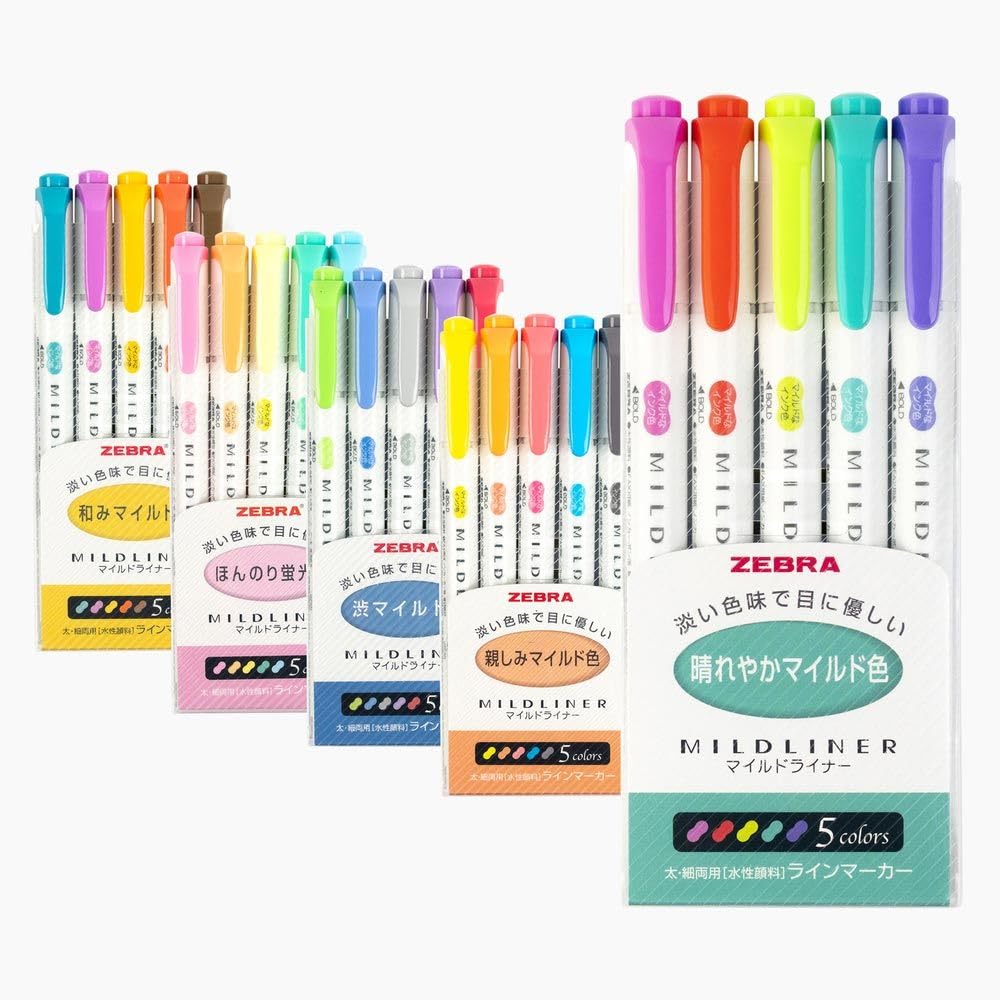
Visual tools help transform information into something easier to process and remember. Colour coding, highlighting, and annotation allow students to organise their thoughts in a way that the brain can quickly recognise.
Popular tools include the Zebra Mildliner Highlighter, Stabilo Boss Highlighter, and Post-it sticky notes. These are especially useful for marking important ideas, adding quick reminders, or summarising key concepts in textbooks.
When used correctly, these tools make revision faster and more engaging. However, effectiveness depends on discipline. Highlighting entire pages or using too many colours can reduce clarity rather than improve it. A simple, consistent system is usually the most effective.
⏱️ Study Timers & Focus Tools

Focus is one of the biggest challenges students face today, especially with constant digital distractions. Study timers help create structure and make study sessions feel more manageable.
Devices like the Time Timer, along with apps such as Forest or Focus To-Do, encourage students to work in short, focused intervals. The Pomodoro method, which alternates between study and breaks, is particularly effective in maintaining concentration without burnout.
Over time, using a timer helps students build discipline and develop a better sense of how long tasks actually take. This improves both productivity and time management.
🎧 Noise-Cancelling Headphones

A quiet environment can significantly improve a student’s ability to concentrate. However, not every home provides that ideal setting. Background noise, conversations, and distractions can easily disrupt focus.
Headphones such as the Sony WH-1000XM5, Bose QuietComfort 45, and even more budget-friendly options like Anker Soundcore models help block out external noise. This allows students to enter deeper levels of concentration and sustain it for longer periods.
When paired with instrumental music or white noise, these tools can further enhance focus. For easily distracted students, this can be one of the most impactful upgrades.
💡 Study Lamps, Desk Setup & Ergonomics

The physical study environment plays a major role in learning effectiveness. Poor lighting, uncomfortable seating, or cluttered desks can lead to fatigue and reduced focus.
A good LED study lamp with adjustable brightness helps reduce eye strain, while an ergonomic chair supports posture during long sessions. Brands like Xiaomi, BenQ, and Philips offer reliable desk lighting options that are designed for extended use.
Keeping the study area clean and consistent also reinforces discipline. When a student associates a specific space with studying, it becomes easier to focus and build habits over time.
📱 Digital Tools & Study Apps
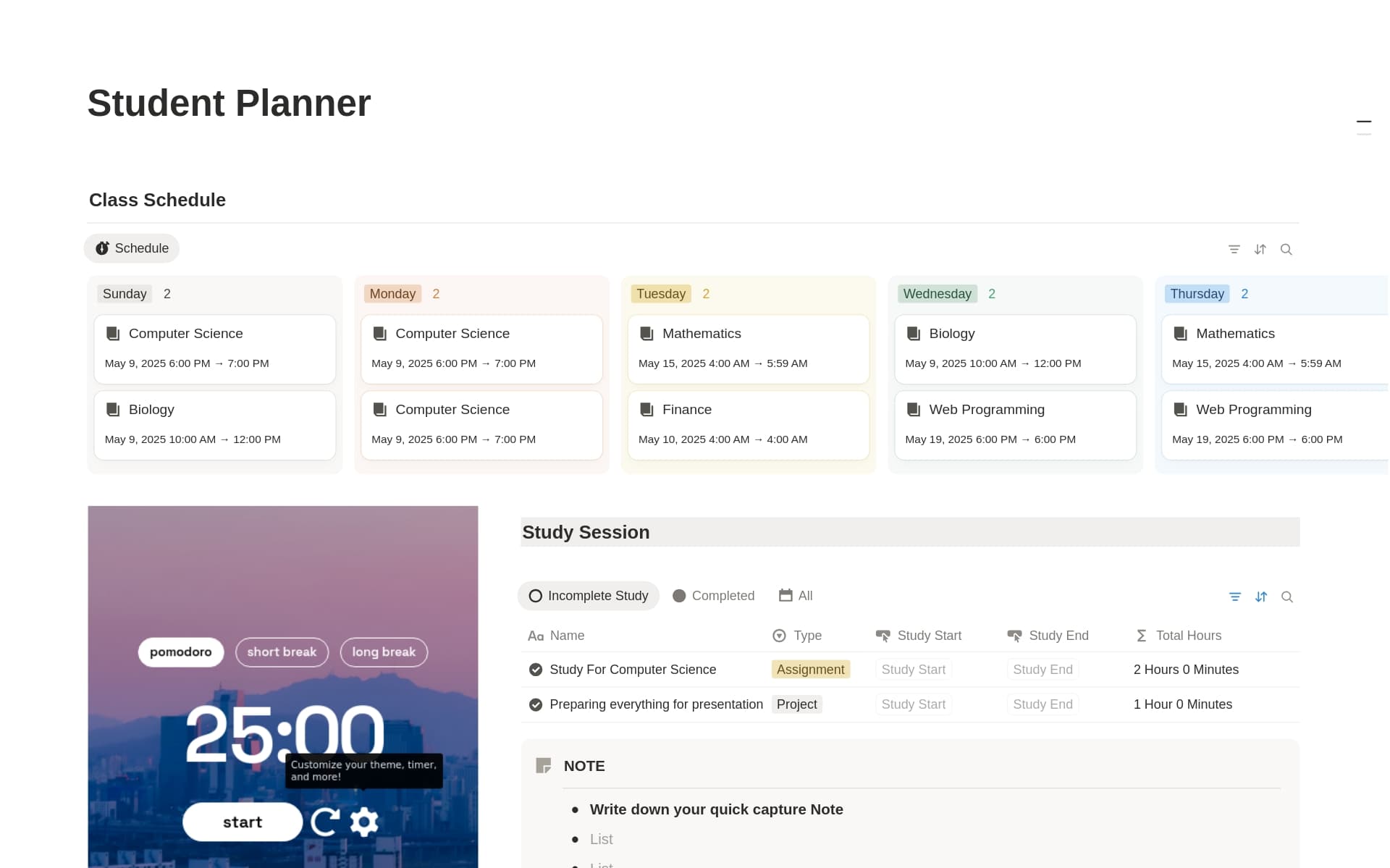

In today’s environment, digital tools are just as important as physical ones. When used properly, they can improve organisation, efficiency, and access to resources.
Apps like Notion, Google Keep, and Quizlet help students organise notes, create study plans, and practise using digital flashcards. Tablets with stylus support can also combine the benefits of handwriting with digital convenience.
However, discipline is key. Without proper control, digital devices can easily become distractions rather than tools.
🧮 Calculators & Subject-Specific Tools


For subjects like Mathematics and Science, specialised tools can improve both speed and accuracy.
Commonly used models include the Casio fx-991EX Calculator and graphing calculators for advanced levels. These tools allow students to focus more on problem-solving rather than manual computation.
However, it is important that students understand the concepts first. Over-reliance on calculators without understanding can become a disadvantage during exams.
⚠️ Do Tools Alone Improve Results?
While the right tools can enhance the study process, they are not a substitute for understanding. Many students have excellent setups and high-quality stationery but still struggle academically.
The real issue is often not effort, but clarity. Without a strong grasp of concepts, tools can only go so far.
When Additional Support Makes a Difference
If a student is consistently putting in effort but not seeing improvement, it may be time to look beyond tools. Personalised guidance can help address gaps in understanding and provide targeted support.
Many parents choose to connect with experienced tutors through home tuition platforms, where students can receive guidance tailored to their learning pace and needs. With the right support, students often improve faster and regain confidence in their studies.
Final Thoughts
The tools a student uses can shape how they study, how they organise their work, and how consistently they stay engaged. When chosen carefully and used correctly, they can make learning more effective and enjoyable.
However, real progress comes from combining the right tools with consistent effort and proper guidance. When all these elements come together, students are better equipped to succeed—not just in exams, but in long-term learning as well.